9 Topics
 5 Days
 45 Sessions
Programme Overview
Training Description
Who Should Attend
• Managers & Team Leaders
• HR Professionals
• Legal Practitioners
• Business Professionals
• Educators
• Community Leaders
• Anyone needing to resolve conflicts and negotiate effectively
Session Objectives
- Align workforce planning with business and operational strategy
- Use scenario-based planning to prepare for future workforce needs
- Leverage data analytics to drive workforce decisions
- Identify workforce risks and talent gaps proactively
About the Course
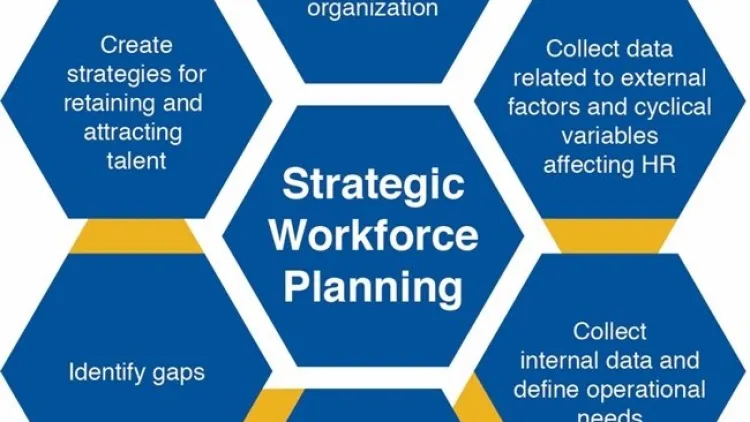
The Strategic Workforce Planning and Scenario Forecasting Training Course is a high-impact, future-focused program tailored for HR professionals, planners, and business leaders aiming to align talent strategy with organizational goals in an unpredictable world. As organizations navigate the pressures of digital transformation, demographic shifts, automation, and globalization, the ability to proactively forecast workforce needs and design agile, future-ready talent strategies is no longer optional—it’s a competitive imperative. This course empowers participants with actionable tools and insights to identify critical workforce trends, model future scenarios, and optimize talent supply and demand.
Through interactive case studies and real-world modeling techniques, participants will learn to assess workforce gaps, build dynamic scenario plans, and align capabilities with business growth. The course blends data analytics, strategic HR frameworks, and workforce architecture to ensure that learners can confidently develop workforce plans that adapt to disruption while maintaining organizational resilience. Whether you’re rethinking your workforce strategy or preparing for emerging talent demands, this course provides a robust foundation for workforce foresight and proactive planning.
Curriculum & Topics
9 Topics | 45 Sessions
-
 Workshop 1.1:
Key concepts and definitions in workforce planning
Workshop 1.1:
Key concepts and definitions in workforce planning
-
Workshop 1.2:
Business alignment and workforce strategy integration
-
Workshop 1.3:
Workforce planning maturity models
-
Workshop 1.4:
Role of HR in long-term workforce strategy
-
Workshop 1.5:
Setting workforce planning objectives and success metrics
-
Workshop 2.1:
Identifying critical roles and talent segments
-
Workshop 2.2:
Segmentation strategies based on business value
-
Workshop 2.3:
Differentiating core, contingent, and emerging roles
-
Workshop 2.4:
Creating role impact matrice
-
Workshop 2.5:
Prioritizing talent investments by workforce segments
-
Workshop 3.1:
Principles of talent supply-demand modeling
-
Workshop 3.2:
Forecasting techniques: quantitative and qualitative methods
-
Workshop 3.3:
Labor market intelligence and benchmarking
-
Workshop 3.4:
Scenario variables: turnover, retirements, hiring, automation
-
Workshop 3.5:
Visualizing workforce trends using dashboards
-
Workshop 4.1:
What-if analysis and workforce scenario modeling
-
Workshop 4.2:
Building workforce models for multiple future states
-
Workshop 4.3:
Incorporating megatrends and industry disruptors
-
Workshop 4.4:
Planning for workforce agility and resilience
-
Workshop 4.5:
Evaluating impact of external shocks and black swan events
-
Workshop 5.1:
Assessing current skills and capability inventories
-
Workshop 5.2:
Defining future skill requirements by role and function
-
Workshop 5.3:
Skills gap analysis methodologies
-
Workshop 5.4:
Developing upskilling and reskilling pathways
-
Workshop 5.5:
Integrating learning strategies into workforce planning
-
Workshop 6.1:
Identifying and assessing workforce risks
-
Workshop 6.2:
Succession risks and pipeline vulnerabilities
-
Workshop 6.3:
Risk indicators for workforce disruption
-
Workshop 6.4:
Developing risk mitigation strategies
-
Workshop 6.5:
Integrating workforce risk into enterprise risk planning
-
Workshop 7.1:
Key data sources for workforce planning
-
Workshop 7.2:
Building workforce analytics capabilities
-
Workshop 7.3:
Using predictive analytics for planning scenarios
-
Workshop 7.4:
Creating workforce scorecards and KPIs
-
Workshop 7.5:
Communicating insights through data visualization
-
Workshop 8.1:
Engaging cross-functional leaders in workforce planning
-
Workshop 8.2:
Establishing planning teams and governance structures
-
Workshop 8.3:
Creating communication and change management plans
-
Workshop 8.4:
Building accountability for workforce outcomes
-
Workshop 8.5:
Embedding workforce planning in annual business cycles
-
Workshop 9.1:
Translating plans into workforce action
-
Workshop 9.2:
Integrating workforce planning with HR systems and platforms
-
Workshop 9.3:
Monitoring progress and adjusting forecasts
-
Workshop 9.4:
Building planning capability across HR and business teams
-
Workshop 9.5:
Continuous improvement and future-readiness strategy